
by April C. Armstrong *14
In this week’s installment of our recurring series, a senior gets permission to write a novel senior thesis, graduate students have found that eradicating discrimination does not require an end to prejudice, and more.
October 21, 1969—Jan Robinson ’73 writes in her journal (later published in Redbook),
According to Professor Burger (sociology) there are three big problems existing in America today: (1) being Black, (2) being a woman, (3) being a student. Put them all together and what have you got? Me! A Black female student at Princeton. What a laugh! I knew the course would prove to be interesting, but this is ridiculous.
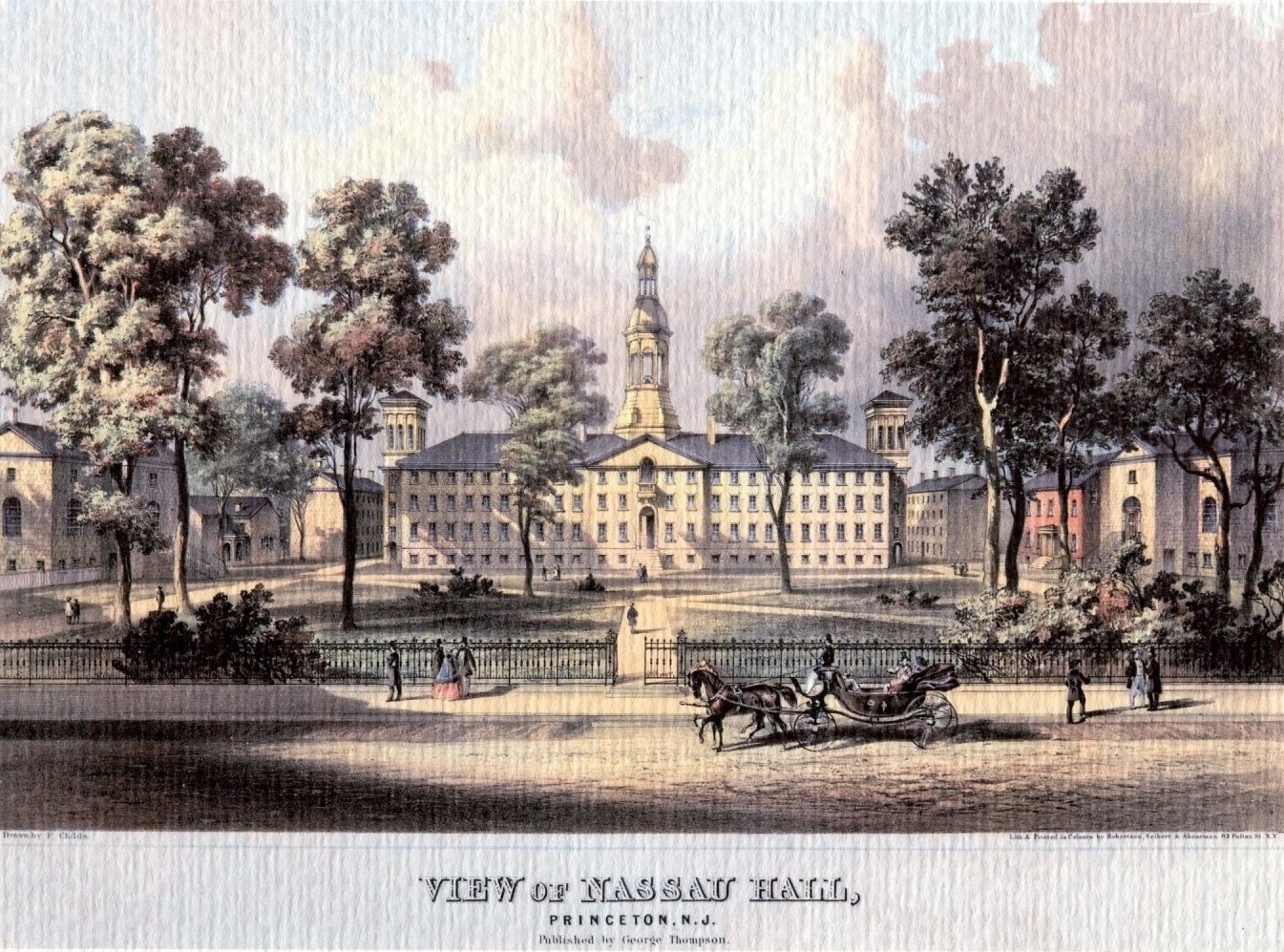
October 22, 1897—Large crowds gather to celebrate Commemoration Day, which honors the anniversary of the University’s founding (October 22, 1746). Those present include Grover and Frances Fulsom Cleveland.
October 24, 1950—For the first time, Princeton has granted permission to a student to write a novel as a senior thesis.

October 25, 1957—The Princeton Alumni Weekly reports on research undertaken by public policy graduate students. Their findings from field work in Greensboro, South Carolina suggest that “there are no necessary connections between what people feel in their hearts and what they will publicly do.” Instead,
“The gap between private feeling and public action is filled, in short, with social precepts, moral injunctions, fear of consequences and positive commitments to democratic rights and community responsibilities. … And if custom and morality do not intervene adequately, the resolute action of law can be interposed to restrain and impede the translation of prejudice into discrimination.”
Did you read the previous installment in this series?
Fact check: We always strive for accuracy, but if you believe you see an error, please contact us.